
Importer loading guide
How to load a container of ceramic planters
November 18, 2026 · 6 min read
 By Janice Anastasio · Editor, Planter Happiness
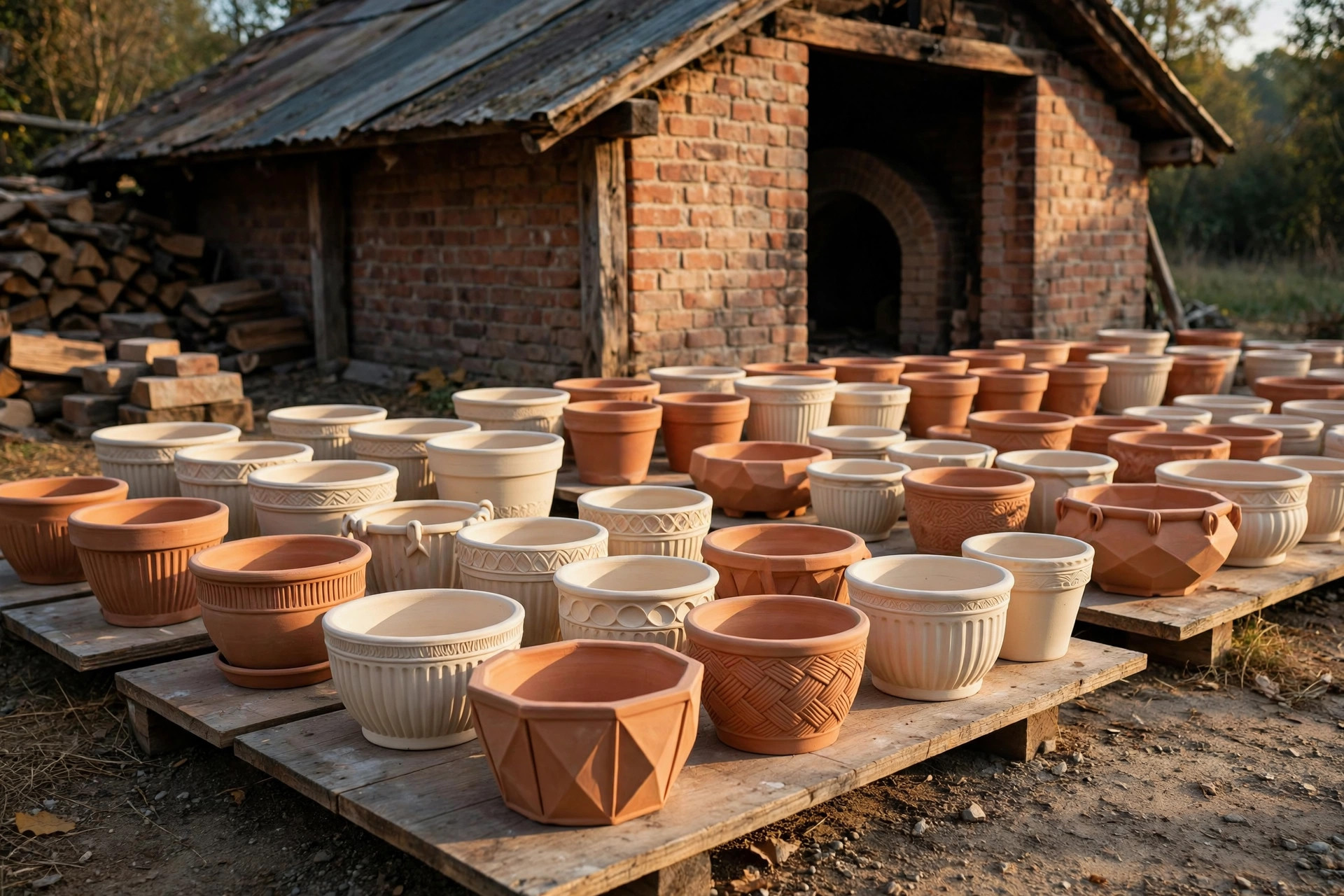
How to load a container of ceramic planters is where an importer makes or loses money on an order that was already well made. A 40-foot high-cube container holds roughly 65–68 cubic metres, but ceramic planters are bulky, heavy and fragile at the same time — waste the space and you pay freight on air; pack it badly and you pay again in breakage. This guide walks through the load plan we use at Planter Happiness: how nesting and carton design decide the count, when to floor-load and when to palletise, how weight is spread so the container is legal and stable, and the bracing and checks that get a full container across the Pacific intact.
I have watched good ranges arrive with five percent breakage and identical ranges arrive almost clean, and the difference was rarely the clay. It was the loading. The principles below connect directly to our guide on how to reduce breakage when importing ceramic planters and to the inspection step in ceramic planter quality control and pre-shipment inspection — loading is simply the last quality check, done with a forklift. Buyers planning a full order should also read our products range and how we work pages before fixing quantities.
Start with the load plan: nesting, cartons and cube
Loading is decided on paper first. Every planter shape is measured, nested where the design allows — smaller pots inside larger ones with soft separators between glazed surfaces — and packed into a master carton whose dimensions divide cleanly into the container's internal width and length. A carton that leaves a 10-centimetre gap down one wall wastes that gap for the full length of the box; across a 40-foot container that is several cubic metres of paid-for air. Good suppliers quote a load plan with the order: cartons per size, units per carton, total cartons, total cube and estimated gross weight, so the buyer knows the true count before production, not at the dock.
Nesting is the biggest lever. A well-designed range nests in sets, so a large planter carries two or three smaller ones inside it, each separated so glazes never touch. That can lift the unit count in a container by a third or more compared with shipping every pot in its own air. It has to be designed in, though — wall taper, rim shape and foot diameter all decide whether pots nest safely or jam and chip. This is why we raise loading at the development stage, alongside the checks in our quality guide, rather than treating it as a warehouse problem at the end.
Floor loading vs pallets, and spreading the weight
Floor loading — cartons stacked directly on the container floor — uses the most space and is the normal choice for full-container planter orders. It suits sturdy master cartons and a buyer whose warehouse can unload by hand or with a dock and rollers. Palletising is easier to unload and kinder to cartons, but the pallets themselves eat roughly 10–15 percent of the cube and add weight, so it makes sense mainly for mixed loads, buyers without unloading labour, or a distribution centre that requires palletised intake. Neither is right in the abstract; the load plan should state the choice and its cost in units before the buyer confirms. For a multi-family load, that plan starts with the assortment itself — see how to build a mixed container of ceramic planters.
Weight matters as much as space. Ceramic is dense, and a tightly packed container of large planters can hit its legal weight limit before it fills by volume — especially on US inland legs, where road limits bite sooner than the container's own rating. The load plan therefore spreads heavy cartons low and evenly, keeps the centre of gravity near the middle of the container, and never concentrates the heaviest large pots at the door end. A container that is overweight, nose-heavy or lopsided risks fees, rework at the port, and in the worst case a shifted load that crushes the front rows when the doors are opened.
Bracing, protection and the final checks
Inside the container, cartons are stacked like brickwork — interlocked, not in straight columns that can topple together — with no overhang and no gaps left to collapse into. The last rows at the doors get the most attention: a retaining barrier, airbags or timber bracing in the remaining void, and straps where needed, so nothing can travel forward in transit. Desiccant bags are hung through the container to manage the condensation that forms when a box crosses climates — the same moisture discipline covered in our breakage guide — and the floor is checked clean and dry before the first carton goes in, because a nail or a wet patch will work on cartons for six weeks at sea.
Finally, loading is documented. Carton counts are tallied against the load plan as they go in, photographs are taken at the half-full and full stages and of the sealed doors, and the seal number is recorded on the shipping documents. If a claim is ever needed, those photos and that tally are the evidence. The buyer should receive them with the bill of lading as a matter of course. When you order from Planter Happiness, the load plan, the nesting design and the loading photos are part of the order — see contact us to talk through a container for your range, and read how ocean freight affects planter pricing for what a well-filled container does to your landed cost per pot.
Done well, loading is invisible: the doors open at the other end on neat, dry, intact cartons, in the count the plan promised. Done casually, it quietly taxes every pot in the box. For a product that is heavy, bulky and breakable all at once, the load plan deserves the same care as the design itself — and importers are right to ask for it in writing before they pay a deposit.