
Importer quality notes
Ceramic planter quality control and pre-shipment inspection
November 16, 2026 · 6 min read
 By Janice Anastasio · Editor, Planter Happiness
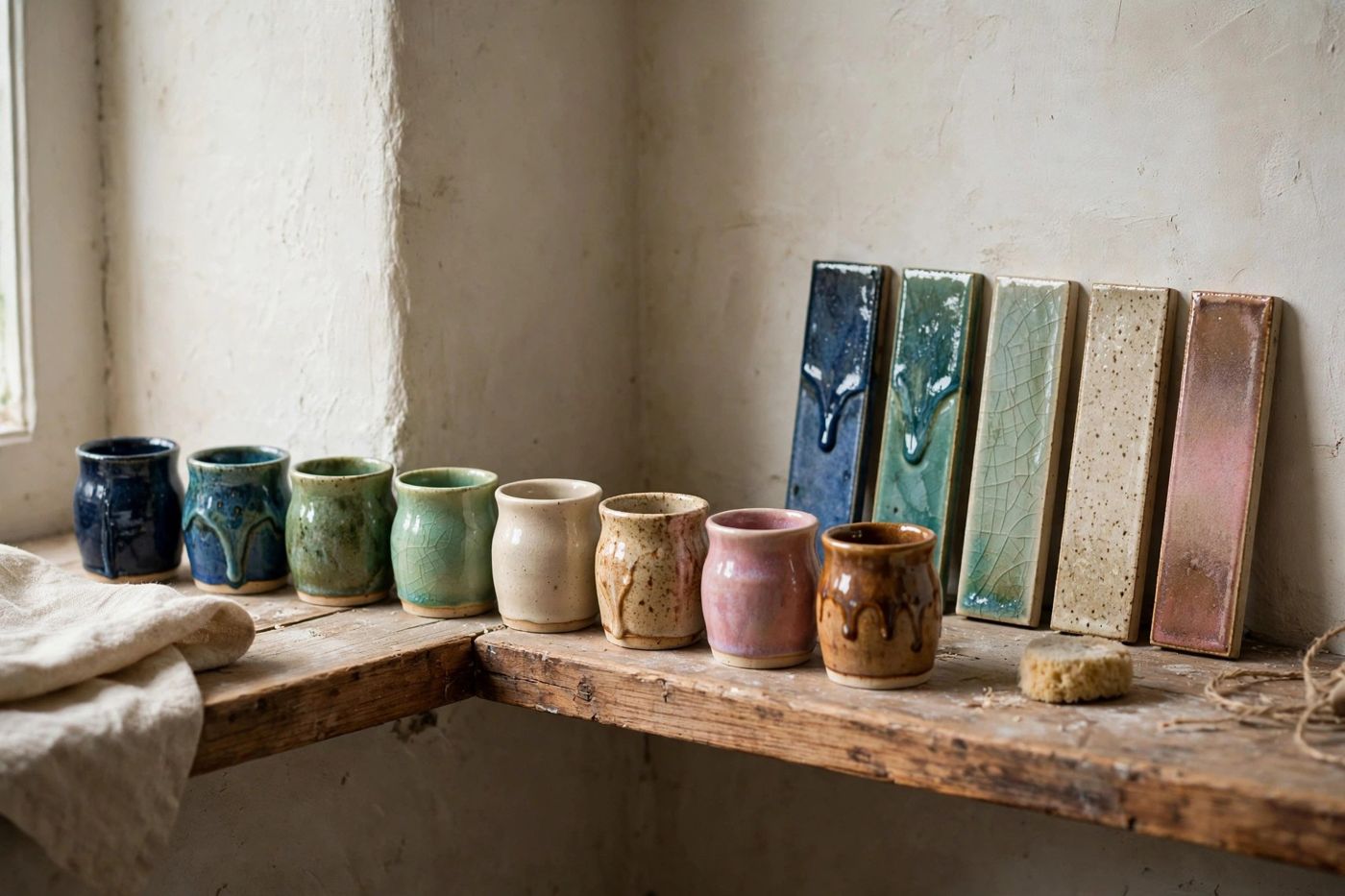
Ceramic planter quality control and pre-shipment inspection are the two checkpoints that decide whether the container you paid for is the container you actually receive. Quality control is what happens while the pots are being made — staged checks against an approved sample. A pre-shipment inspection is the final, independent look before the container is sealed: a sample of finished, packed pieces drawn at random and measured against the standard you agreed. Neither is paperwork. Done properly, they are the reason a buyer in Phoenix can commit to thousands of pots made on the other side of the world and know, within a small and known tolerance, what will arrive.
I edit this journal from the manufacturer's side of the table, and I will be honest about where inspections help and where they cannot. An inspection does not make a bad factory good. What it does is catch drift early — a glaze running darker, a wall cast thinner, a carton quietly downgraded — while there is still time and leverage to fix it. It pairs with our guide to how to reduce breakage when importing ceramic planters: packing protects the pots in transit; this page is about making sure the pots themselves were right before they were packed.
Quality starts before production: the approved sample and the specification
Every later check is only as good as the standard it checks against, and that standard is a physical object: the approved sample. Before production begins, one set of pieces — the exact shapes, glazes and finishes you signed off — is kept at the factory, and a matching set stays with the buyer. Colour is judged against that sample under the same light, not against a photograph on a phone, because screens lie about glaze. Alongside the sample sits a written specification: dimensions with tolerances, wall thickness, drainage-hole size and placement, glaze name and finish, weight range, and how the piece should ring, sit and stack. If a detail is not in the specification, an inspector cannot fail a piece for it — which is why experienced importers write the spec before they negotiate the final price.
Control then runs in stages, not just at the end. Clay and glaze materials are checked on arrival. Greenware is checked before firing, when a warped rim or a thin wall is still cheap to reject. First pieces out of the kiln are compared with the approved sample before the full run continues — a glaze that has shifted is a kiln-setting problem on day one and a container problem on day thirty. Our process page shows where those stages sit in the sequence, and buyers comparing factories will find the same discipline is the real subject of our guide to choosing a ceramic pots manufacturer for importers: repeatability, not the sample, is what you are buying.
What a pre-shipment inspection actually checks
A proper final inspection starts with quantity and paperwork — carton count, piece count, markings and labels against the order — then moves to the product. The inspector draws cartons at random from across the whole run, not from the tidy stack by the door, and opens enough pieces to work to an agreed sampling level. The trade standard is AQL sampling (Acceptable Quality Limit, usually AQL 2.5 for major defects and 4.0 for minor ones on goods like ours): a published table that says how many pieces to pull from a lot of this size, and how many defects of each class can be found before the lot fails. Agree the levels in the contract, before production, so nobody is negotiating the meaning of "acceptable" with a container already loaded.
On the pieces themselves, the checklist is concrete. Dimensions and weight against the specification and its tolerances. Glaze colour and finish against the approved sample — including the faults ceramics actually produce: pinholes, crawling, crazing that was not part of the design, colour drift between firings. Structure: cracks, chips, warped rims, bases that do not sit flat, drainage holes present and clean. Function where it applies: a saucer that fits its pot, a nested set that nests. Then the packing itself — wrap, dividers, carton strength, carton count per size — because a perfect pot in a downgraded carton is still a claim waiting to happen. A standard field test is the carton drop test: a packed carton dropped from a set height on its corners, edges and faces, then opened. If the piece inside survives the test, the packing spec is real; if it does not, you have learned it at the factory, where it can still be fixed.
Timing, reports and loading: catching problems while they can still be fixed
When the inspection happens matters as much as what it checks. The useful moment is when production is complete and at least 80 percent of the order is packed — early enough that a failed lot can be reworked, late enough that the sample honestly represents what will ship. Inspecting a half-finished run produces a report about pots that are not yours. The report itself should arrive the same day, with photographs: the pieces measured, the defects found and classified, the cartons opened, the counts verified. Photographs are not decoration — they are the evidence both sides work from if anything is disputed later, and a supplier who packs well has no reason to resist them.
The last stage is the loading itself. A short loading supervision — the container checked for holes, moisture and odour before loading, cartons counted in, the load built tight and braced, the seal number photographed and recorded — closes the gap between "the inspected goods were fine" and "the inspected goods are what actually shipped." It is also where inspection meets money: the inspection and any re-inspection after a failure are small, known costs that belong in the container budget from the start, as one line of the total landed cost of importing ceramic planters — a rounding error next to discovering a glaze drift across four thousand pots in your own warehouse.
So the short version, as a checklist: one, an approved sample kept at the factory and a written specification with tolerances. Two, staged checks during production, starting with the first pieces out of the kiln. Three, a final random inspection to agreed AQL levels once the order is fully made and mostly packed, with a same-day photographic report. Four, packing verified in the inspection, including a drop test. Five, loading supervised and the seal recorded. Buyers who run those five steps rarely have quality surprises — not because factories never drift, but because drift gets caught on the factory floor, where fixing it is still the factory's job.
Performance claims belong in that specification too — our guide to frost-proof ceramic planters for garden centers shows how an outdoor rating is written in numbers and verified with a freeze–thaw test at sample stage.
Tell us the range you are importing and the standard you need it held to — we will walk you through exactly how your order would be checked, stage by stage, before you commit to it. Start the conversation.