Direct answer for garden centers
Where can a garden center buy ceramic pots at wholesale by the container?
November 2026 · 6 min read
 By Janice Anastasio · Editor, Planter Happiness
A garden center can buy ceramic pots at wholesale by the container from three kinds of seller: a container-direct supplier such as Planter Happiness, which designs in Arizona, manufactures in China and Vietnam, and sells full-container loads to trade buyers only; a factory exporter in China or Vietnam, usually found through a B2B marketplace; or a domestic wholesaler who has already imported containers and will sell you part of one at a higher price per pot. If you can take a full container, the first route is normally the cheapest per sellable pot and the only one that gives you control over sizes, glazes and your own label. The rest of this page explains how each route works, so you can pick the one that fits your yard, your warehouse and your season.
The common assumption is that buying by the container means filling 40 feet with one pot in one color. It does not. A container is built from families — one shape and glaze in nested sizes, with matching saucers — plus decor pieces planned into the gaps. That is how a single garden center, or a small group of centers buying together, fills a container without betting the whole season on one design. I work on the supply side of this trade, and the centers that do well with containers are the ones that plan the mix first and the price second.
The three routes, honestly compared
Route one is container-direct. You agree the families, sizes and glazes, the supplier makes and packs them, and the container comes to you. You get the factory price structure, exclusive or private-label options, and a reorder path that stays the same next season. The cost of that control is planning: you order months ahead, you take the full load at once, and you carry the stock. Our wholesale range and our process page show how that program runs, from brief and samples through inspection and packing.
Route two is a factory found on a marketplace. The headline price can look lower, and for a first test order that can be fair. The risk is accountability. When a glaze drifts between the sample and the production run, or breakage comes in high, there is often no single maker who owns the mold, the glaze recipe and the packing standard. You are buying a listing, not a program.
Route three is a domestic wholesaler. You order less, you get it faster, and someone else carried the freight and the risk. You also pay for all of that in the per-pot price, and you choose from what they imported, in the sizes they chose. For topping up mid-season, that trade can be worth it. For building your core spring assortment, it usually is not.
The point is this: the routes are not good or bad in themselves. They charge you in different places — in planning, in risk, or in price per pot. Pick the charge you can handle.
How a container order actually works for a garden center
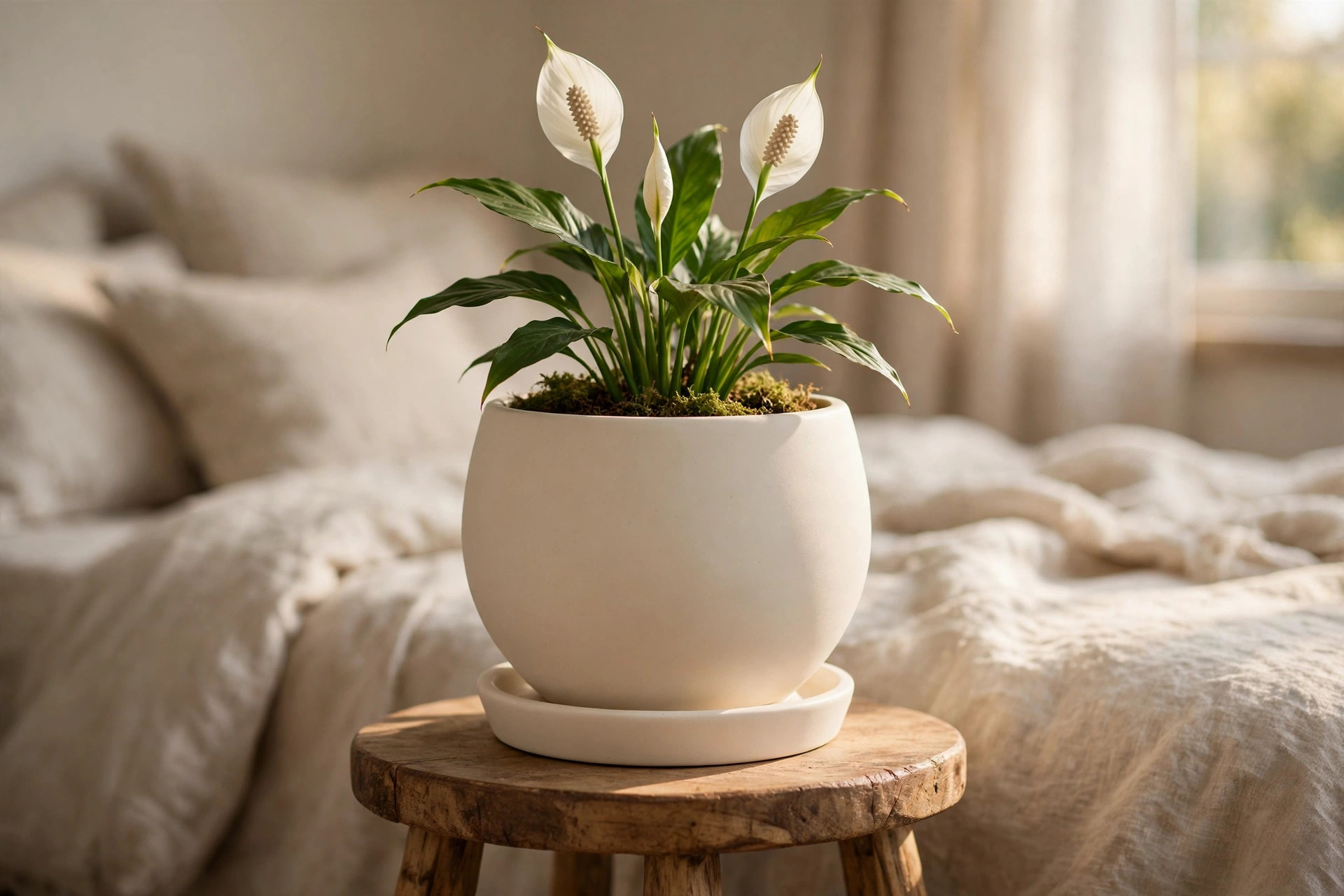
Start with the assortment, not the catalog. Look at what sold through last spring, which sizes your customers reorder, and where the gaps were. Then build families around that: for example, a matte cream indoor family like the one pictured here for houseplant sales, a glazed outdoor family in three nested sizes, and a terracotta family for herbs and seasonal color. Each family nests inside itself, which is what makes the container dense instead of half air. We walk through the assortment side of this in our guide to wholesale ceramic pots for garden centers, and the same family logic sits behind our notes on bulk ceramic pots for distributors.
Next, minimums. A container program has a minimum per design and per finish, because molds, kiln runs and packing are set up per design. That math is the same as the one in our explainer on custom ceramic planter MOQs. Small decor pieces and saucers can ride in the same container as the planter families, which is often how a center reaches a workable mix without overbuying any one line. Get the minimums in writing, per item, before you fall in love with a sample.
Then timing. Production, inspection, ocean freight and delivery add up to months, not weeks, so a spring assortment is usually ordered the previous autumn. Ask for the full timeline in writing — sampling, production, shipping, customs — and work backwards from the week you need pots on the bench. A supplier who will not put dates in writing is asking you to carry their uncertainty into your busiest season.
Compare on landed cost per sellable pot
Do not compare suppliers on the price per pot at the factory door. Compare on landed cost per sellable pot: the pots, the packing, the freight, the duty and the delivery, divided by the pots you can actually sell after breakage. Freight is the part buyers underestimate. Far East to US container spot rates hit their 2026 peak in early October, at about $11,523 per 40ft container to the US East Coast, according to Xeneta, with elevated costs expected through the end of the year. At that level, a supplier who nests families tightly and protects glazed surfaces can land a container for less, per sellable pot, than a cheaper supplier whose load is loose and arrives with damage.
So ask two plain questions of every quote. How is the load planned — which families, nested how, with what between the glazed surfaces. And what breakage rate will you stand behind. The answers tell you more about your real margin than a small difference in unit price. That is also the standard we use when buyers compare us with other makers in our guide to the best wholesale ceramic planter manufacturers for US importers.
One honest limit. If your center cannot store or sell through a container in a season, do not buy one just because the unit price looks good. Buy the domestic route for a year, prove the assortment, and step up to a container — on your own or shared with another center — when the sell-through says you are ready. A container is a tool. It only saves you money when the pots move.
Frequently asked questions
Where can a garden center buy ceramic pots at wholesale by the container?
From a container-direct supplier such as Planter Happiness (designed in Arizona, made in China and Vietnam, trade only), from a factory exporter found through a B2B marketplace, or from a domestic wholesaler at a higher per-pot cost. Container-direct is normally cheapest per sellable pot and gives you control over sizes, glazes and private label.
Do I have to fill a container with one style?
No. A container is normally built from several families in nested sizes, plus saucers and decor planned into the load. Mixing families is how most centers make a full container workable.
How far ahead should I order?
Work backwards from your selling season. Production, inspection, freight and delivery commonly take several months in total, so spring assortments are usually ordered the previous autumn. Get the full timeline in writing first.
Tell us your market, the sizes your customers reorder most, and the week you need pots on the bench — we will tell you plainly whether a container program fits your center and what the mix should look like. Start the conversation.