
Importer guide
Ceramic planter sizes and nesting sets for wholesale buyers
November 25, 2026 · 6 min read
 By Janice Anastasio · Editor, Planter Happiness
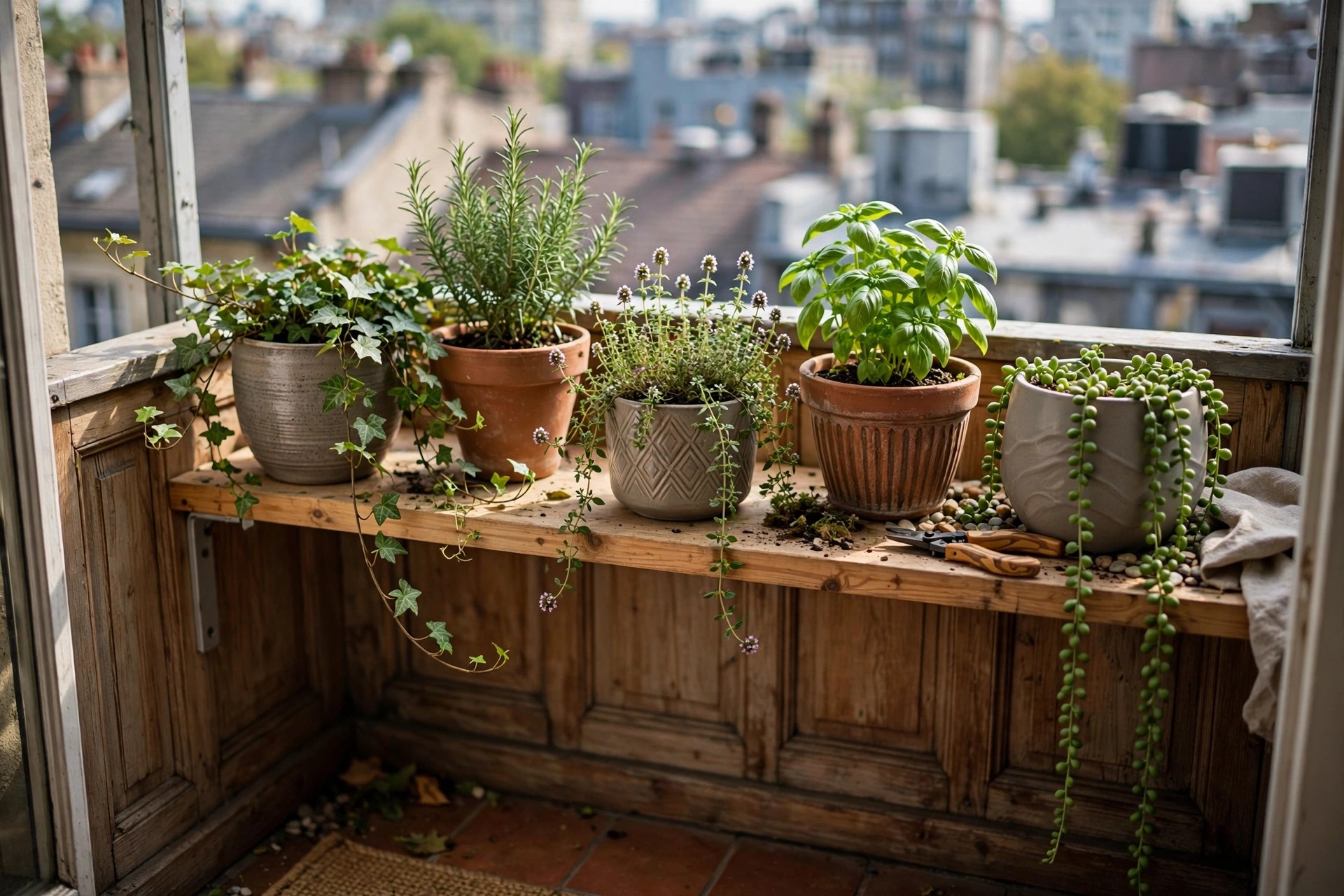
Ceramic planter sizes and nesting sets for wholesale buyers sound like a catalogue detail, but they quietly decide two of the biggest numbers in a container program: how many sellable pots fit in the box, and how fast the range sells through when it lands. A family specified in sizes that nest ships at a fraction of the freight per pot of the same family specified carelessly — and on the bench, a clean ladder of sizes is what lets a shopper trade up without leaving the display. This guide sets out the size ladder most buyers actually need, how nesting works and what it is worth, the tolerances to agree in writing before production, and how to weight the mix so the hero size does not sell out in week one while the smallest size is still there in August.
Size planning starts from the range itself on our products page and the development sequence on our how we work page. It also sits inside the wider assortment work: the families-and-minimums discipline in how to build a mixed container of ceramic planters assumes the sizes inside each family were planned first, and this guide is that planning step.
The size ladder: buy the heart of the range, not every size
Most garden retail turns on a short ladder. In trade terms that is roughly 4, 6, 8, 10 and 12 inches across the top for the core, with a 14- to 16-inch statement size above it and a small accent size below it for herbs, succulents and gift purchases. A family does not need all seven. Three to five sizes per family is the working norm: the middle sizes carry the volume because they match the plant sizes garden centers stock most, the largest size anchors the display and makes the middle look like good value, and the smallest size is the add-on purchase. Work backwards from the plant table, the same rule we give garden center buyers in wholesale ceramic pots for garden centers: a pot range that does not match the plants it will hold is decoration, not a planter range.
Two specification traps catch buyers every season. The first is measuring: one factory quotes the outside top diameter, another quotes the inside planting diameter, and a third quotes height — so two "10-inch" pots from two suppliers can differ by an inch of planting room. Agree in writing which measurement the size name means, and hold every size in the family to it. The second is shrinkage: clay shrinks as it dries and fires, so the finished pot is smaller than the mold. A competent factory builds the shrinkage allowance into the mold; your job is to specify the finished size and a tolerance — a few millimetres on small pots, a little more on large ones — and to check finished samples against it, not to approve a mold size and hope.
Nesting: where the container math is won
Nesting means the smaller sizes sit inside the larger ones for shipping, so a set of four travels in roughly the footprint of the largest pot plus packing. Done well, nesting can close to double the units per container versus the same pots shipped unnested — and because freight is charged on the container, not the pot, that difference flows straight into landed cost per sellable pot, the math we work through in the total landed cost of importing a container of ceramic planters. Nesting is not automatic, though. It is designed: the taper of the wall, the rim profile and the foot all decide whether one pot slides into the next without the glazes grinding together, and the size steps in the ladder have to leave enough clearance — too tight and the pots wedge and chip, too loose and you are shipping air again.
Specify nesting like you mean it. The written spec should state which sizes nest together as a set, what separates the glazed surfaces inside the nest (foam, paper or molded pulp — never bare glaze on glaze), and how the nested set is packed and labelled as a selling unit, which connects to the pack specification in our guide to retail-ready packaging and barcodes. Then verify it physically: a nested set pulled from production, shaken the way a container shakes, tells you more than any drawing. Nesting also has a retail dividend — a set that arrives nested can be sold nested, as one priced unit with one barcode, which is often the highest-margin way to move the small sizes.
Weighting the mix, and the saucer question
Do not split a family evenly across its sizes. A proven weighting for most programs puts roughly 60 to 70 percent of units in the core middle sizes your retailers reorder, 20 to 25 percent in the small accents, and 10 to 15 percent in the large statement sizes — the same split distributors use across a whole load in our guide to bulk ceramic pots for distributors, applied here inside one family. Reorder data beats instinct: after the first container, the sizes that sold out first get the extra depth, and the slow size gets cut from the ladder rather than discounted all season. A shorter ladder that turns is worth more than a complete ladder that sits.
Finally, settle saucers size by size, not as an afterthought. Every size in the ladder needs its own saucer decision — included and nested under the pot, packed as a separate line, or not offered — with the fit checked on finished samples, exactly as set out in our drainage holes and saucers specification. A saucer that almost fits is worse than none: it wobbles on the bench and comes back as a complaint. If you are planning a container for the coming season, send us the families you are considering through contact us and we will build the size ladder, the nesting plan and the mix weighting into the quote, so the container that arrives is the range your customers actually buy.