
Importer ordering guide
Ceramic planter lead times and ordering calendar for spring
November 19, 2026 · 6 min read
 By Janice Anastasio · Editor, Planter Happiness
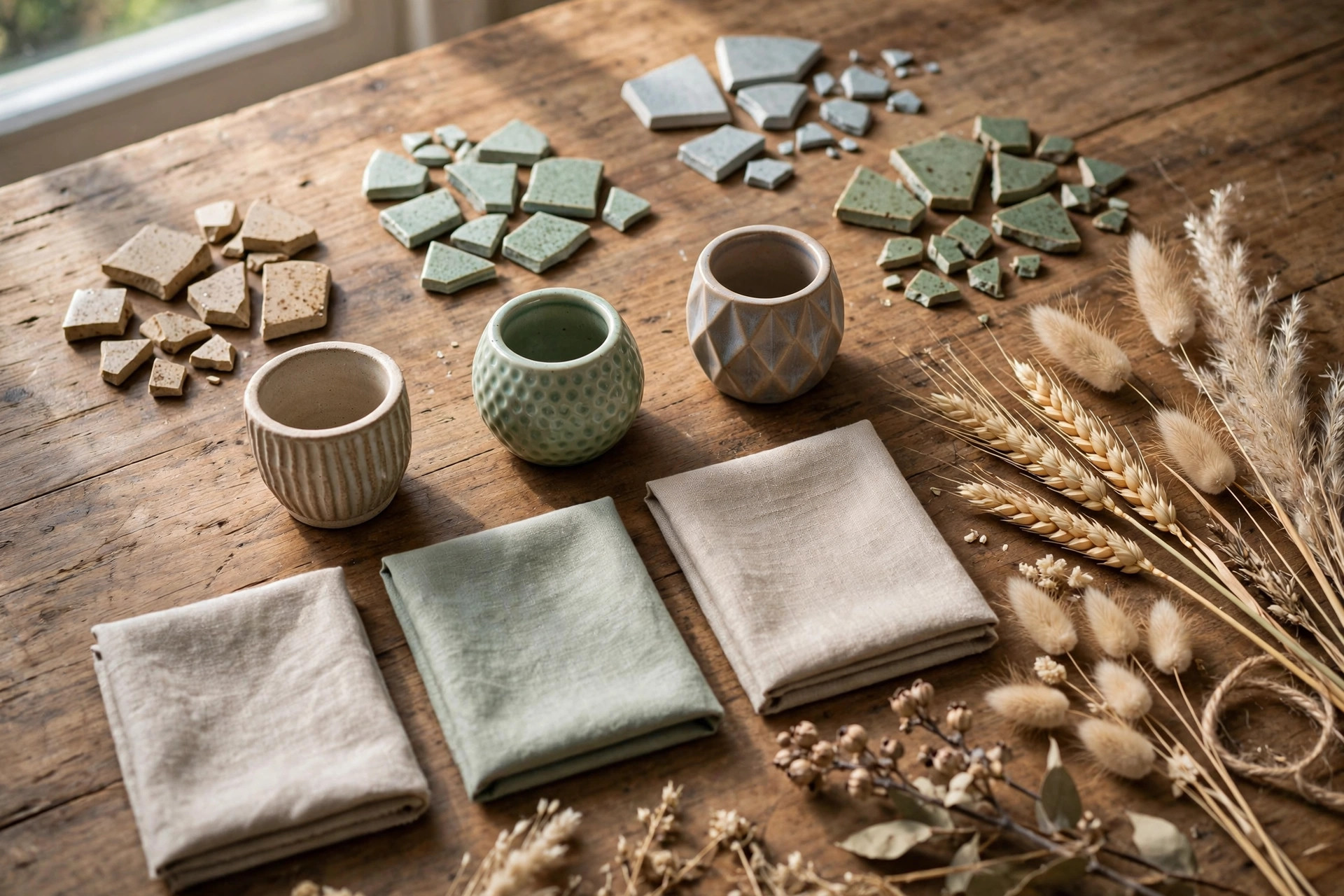
Ceramic planter lead times and ordering calendar for spring is the piece of planning most importers do too late. A spring range does not start when the weather warms up; it starts months earlier, when samples are approved, kilns are booked and a container is given time to cross the Pacific without drama. Work backwards from the week you want pots on the floor and the calendar becomes simple arithmetic — but only if every stage is counted honestly, including the holiday shutdown that catches a new buyer out every single year. This guide sets out the real lead times we work to at Planter Happiness, and the order dates that follow from them.
I plan spring programs with buyers every autumn, and the conversation is always the same: pick the selling date first, then protect it. The stages below connect to our detailed timeline in how long it takes to develop a custom planter, from sketch to production and to the final stage in how to load a container of ceramic planters — development, production and loading are one calendar, not three separate ones. Buyers who are still shaping a range should start with our products range and how we work pages, then fix dates against them.
The stages that make up a lead time
A full-container order has five blocks of time, and none of them compress safely. Development — drawings, molds, samples and glaze approval — takes roughly six to ten weeks for a new design, and two to four weeks for a semi-custom order built on proven shapes with new glazes or packaging. Production itself is typically four to six weeks for a container: forming, drying, bisque firing, glazing, the main firing, sorting and packing each have their own pace, and large planters dry slowly by nature. Quality control and the pre-shipment inspection add about a week, including any rework the inspection finds. Then comes the water: four to six weeks port to port to the US West Coast, longer to the East Coast, plus customs, drayage and delivery at the far end — allow another one to two weeks before the cartons are in your warehouse and checked in.
Add those blocks together and a brand-new custom range ordered from a standing start needs roughly five to seven months, door to door. A reorder of a proven range, with molds made and glazes approved, needs roughly three to four months. A stock or white label order, where the designs already exist, can move fastest of all. The mistake is quoting only the production weeks — a supplier who says "45 days" is usually counting the kiln time and leaving development, inspection and shipping for the buyer to discover. Ask for the full calendar in writing, stage by stage, with the ship date and the warehouse date shown separately.
Work backwards: the spring calendar
Take a concrete target: pots on the floor and priced for the start of March, when garden centers build their spring displays. The container should be in your warehouse by mid-February, giving you two weeks to check in, price and distribute. That means it sails in early to mid-January, which means production finishes and the inspection passes in late December or the first days of January. Production therefore starts in November. For a new custom design, samples and glaze approval must be finished by October, which puts the brief and mold work in August and September. For a reorder, the same March target allows a calmer path: confirm quantities and any glaze changes in October, produce through November and December, and sail on the same January window.
Now the complication every Far East calendar carries: Chinese New Year. Factories in China close for the holiday and the weeks around it — production stops, and the restart is gradual as workers return. Vietnam's Tet holiday falls at the same time of year. In practice, a container that has not sailed before the holiday shutdown waits until factories are fully back, and sailings in that window are crowded and priced accordingly. This is why experienced importers treat "sail before the New Year break" as the hard deadline of the whole spring program, and why the order dates above sit in autumn rather than winter. Miss that sailing window and the honest choices are a smaller top-up by a faster route, a proven stock range, or a spring launch that becomes an early-summer launch — none of which should be discovered in February.
How to protect the date once it is set
Three habits protect a spring date better than any expedite fee. First, approve samples completely — shape, glaze, dimensions, drainage, packaging and labelling — before production is booked, because a mid-production change restarts the slowest stage it touches. Second, split risk where you can: a mixed container of proven sellers plus new designs means a delay to one new family does not empty the whole spring display. Third, keep the paperwork moving in parallel — carton marks, barcodes, compliance documents and the load plan agreed while the kilns run, not after the goods are packed. Our guide to ceramic planter quality control and pre-shipment inspection shows how the inspection stage is scheduled so it verifies the order without eating the sailing window.
Finally, hold a little slack and spend it deliberately. A week of buffer between the inspection and the sailing, and a warehouse date a fortnight before the display date, absorb the ordinary friction — a kiln re-fire, a rolled booking, a slow customs exam — that no supplier can promise away. Buyers who plan this way rarely talk about lead times as a problem; the calendar does the worrying for them. If you are planning a spring container now, send us your target floor date through contact us and we will work the calendar backwards with you, stage by stage, including the honest answer if a stock range fits your dates better than a new design.