
Product development guide
How to develop custom planters with a manufacturer
October 2026 · 6 min read
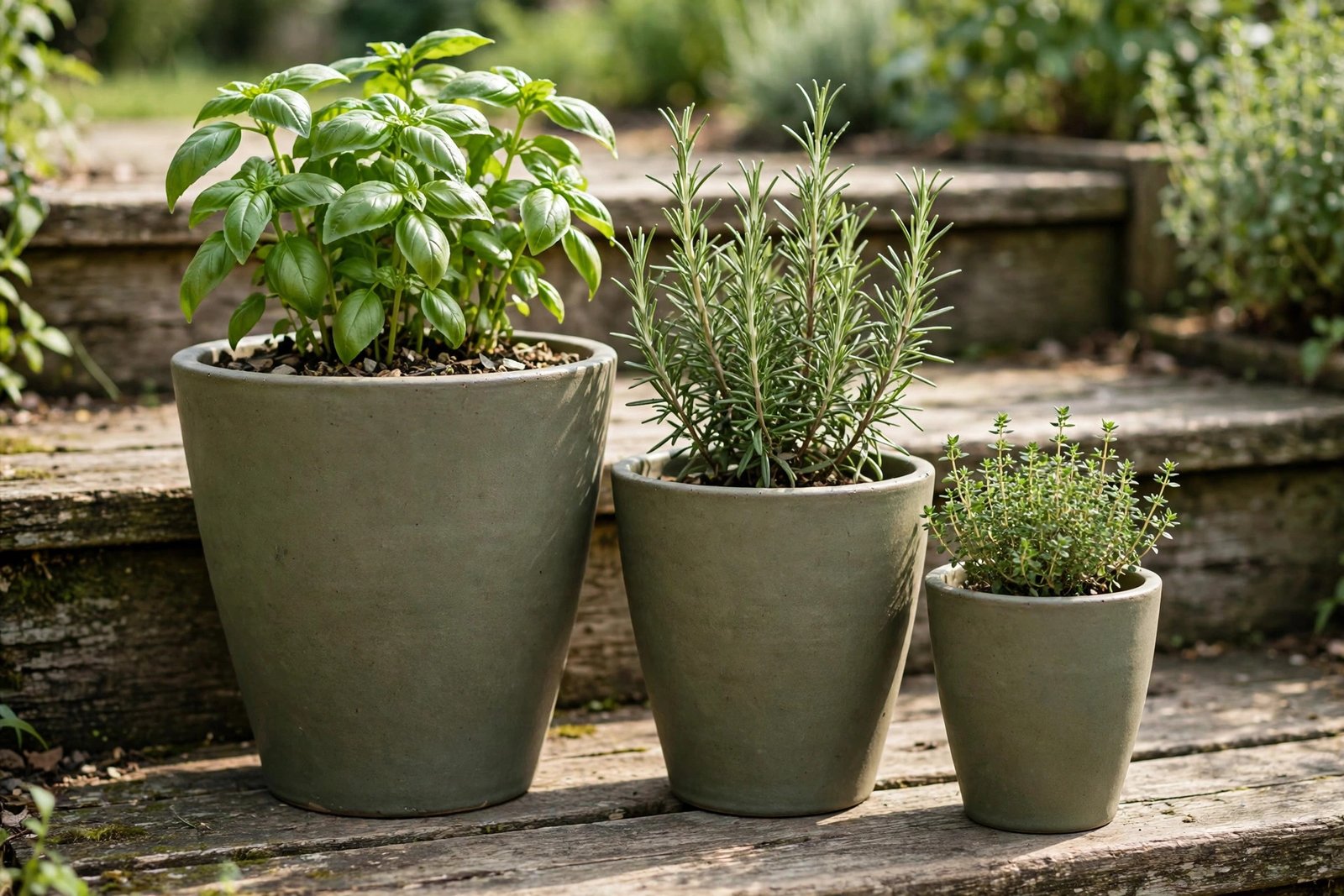
Learning how to develop custom planters with a manufacturer is mostly learning what to decide, in what order, before clay ever touches a mold. Buyers who send a clear brief, approve physical samples properly, and lock packaging before production get a range that sells. Buyers who skip those steps get delays, surprise costs, and a container of almost-right pots. This guide walks through the real process, step by step, in the order it actually happens.
Step 1: Write a brief a factory can actually use
A good brief is short and specific. It answers the questions the factory will otherwise guess at:
- What it is: planter, saucer, set, or decor piece — with reference photos or sketches showing shape and proportion, not just a mood board.
- Sizes: finished dimensions for each piece (diameter, height, wall thickness if it matters), plus drainage hole and saucer requirements.
- Material and finish: ceramic type, glaze family and color references, matte or gloss, inside finish, and whether the piece must be frost-resistant for outdoor use.
- Commercial target: your target retail price and expected volume per size. This tells the factory whether to optimize for hand-finishing or for efficient production.
- Packaging: retail box, plain export carton, hang tags, barcodes — even a rough note here prevents a late scramble.
You do not need engineering drawings to start. Clear photos, a dimensioned sketch, and honest volume and price targets are enough for a serious manufacturer to quote and flag problems early. That early honesty matters: the same minimum-order logic that governs custom ceramic planter MOQs applies here — kiln batches and mold costs set a floor under any custom run.
Step 2: Drawings, molds, and the first sample
Once the brief is agreed, the factory makes a technical drawing and then a master model and mold. Clay shrinks as it dries and fires — typically around 5–8% depending on the body — so the mold is made oversized and your finished dimensions are what everyone measures against. Ask for the shrinkage assumption in writing; it prevents the classic argument where a sample arrives a centimeter small and nobody can agree why.
The first sample is a shape sample, often unglazed or in a test glaze. Judge it on:
- Dimensions against your brief, measured, not eyeballed
- Wall thickness, weight, and how it sits — no rocking, no warped rim
- Drainage hole size and placement, saucer fit, and nesting for shipping
- Surface quality: pinholes, cracks, and sharp edges that will not survive retail handling
Expect one or two sample rounds. That is normal and cheap. Changing a mold after production starts is neither. Our full development process is built around getting these rounds done before any production commitment.
Step 3: Approve glaze and color from physical samples — never a screen
Glaze is where custom planters live or die. The same glaze recipe can fire differently across kiln loads, clay batches, and thicknesses, and a photo or Pantone reference alone cannot capture reactive, crackle, or matte finishes. Always approve a physical glaze sample on the actual shape, in daylight and under store lighting, and keep a signed counter-sample for both sides.
Agree a tolerance range at the same time: which variation is acceptable within a set, and what counts as a reject. Retail customers buy sets, so piece-to-piece consistency within a carton matters more than matching a perfect master on every single pot. If you are adapting proven shapes rather than starting from a mold, the private label route gets you to this glaze stage much faster — and for a fully exclusive shape, see how that compares in our guide to OEM ceramic planters.
Step 4: Price it on landed cost, then lock the spec
Before production, lock a written spec sheet: dimensions and tolerances, clay and glaze references, packaging, carton quantities, labeling, and the approved counter-sample. Every later QC check is measured against this sheet — if it is not on the sheet, it is an opinion, and opinions do not settle claims.
Price the program on landed cost per sellable piece, not factory price. Far East–US container spot rates hit their 2026 peak in early October — about $11,523 per 40ft container to the US East Coast, per Xeneta, with elevated costs expected through year-end. Nesting, carton size, and how a set packs can move your freight per piece more than a small difference in factory price ever will. Ask how the range packs before you finalize sizes: a planter that nests well can cut freight per piece dramatically.
Browse our wholesale range to see the size families and set structures that pack efficiently — most custom programs borrow those proportions for exactly this reason.
Step 5: Production, inspection, and shipping as one range
Production typically runs 30–60 days once the spec is locked, depending on volume and kiln scheduling. Insist on inspection before the container seals — dimensions spot-checked against the spec sheet, glaze compared to the counter-sample, packaging and carton marks verified, and a count of rejects. Photos and a short inspection report should reach you while the goods are still at the factory, when a problem can still be fixed.
Finally, ship the range as it was designed: one mixed container where the hero sizes, companion sizes, and saucers arrive together as one shelf story. Splitting a custom range across shipments usually means the bestseller arrives without its matching saucer — and the range never gets its fair test at retail.
The bottom line
How to develop custom planters with a manufacturer comes down to sequence: brief clearly, sample physically, approve glaze in person, lock the spec in writing, and buy on landed cost. Do those five things and custom development is a predictable program, not a gamble.
Send us your sketches, photos, target sizes, and the price point you need to hit — we will tell you straight what is feasible, what it would cost landed, and how long it would take. Start the conversation.