
Buyer's guide for importers
Custom garden decor supplier: what importers should check first
October 2026 · 6 min read
 By Janice Anastasio · Editor, Planter Happiness
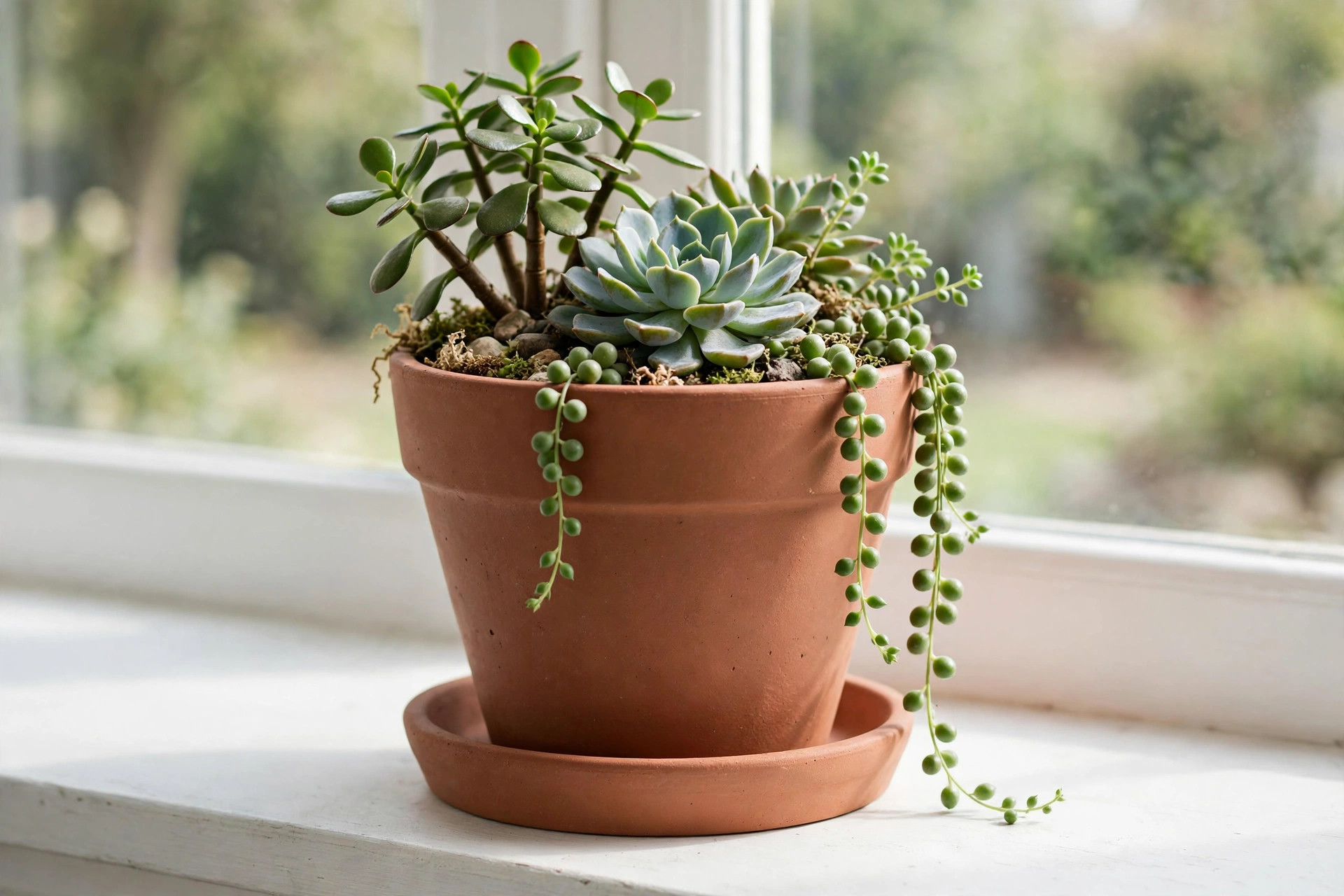
A lot of buyers treat a custom garden decor supplier as a planter supplier with a wider catalog. That is the first mistake, and it is an expensive one. Planters are one product family made one way. Garden decor is planters plus saucers, stands, lantern-style pieces, wall pieces and seasonal items, often in more than one material and finish in the same container. If your supplier runs decor the way they run a single planter line, you find out at the warehouse — mixed finishes in one carton, pieces that do not sit flat, and a container that is half air because nobody planned how the shapes nest together. I work on the design and manufacturing side of this trade, and this is the check I would run before placing a custom decor order.
Start with design control, not the catalog
The common assumption is that custom means picking a shape from a catalog and changing the color. It does not. Custom means you control the brief: the sizes, the finish, the weight in hand, how a piece sits on a shelf, and what it is sold next to. A supplier who cannot work from your brief — a sketch, a photo of the look you want, measurements from a piece that already sells for you — is not a custom supplier. They are a stock supplier letting you pick a glaze.
Here is a concrete example. A retailer wants a small terracotta decor pot with a matching saucer, sized for succulents, to sit in a gift section rather than the pottery yard. That one brief touches mold size, saucer fit, drainage, finish consistency across thousands of pieces, and retail packaging. Each of those is a decision someone has to make and write down. Our process page lays out how that work runs — brief, drawings, molds, samples, finish approval, then production — and the same steps sit behind our private label garden decor programs. Ask any supplier to show you their version of that sequence. If the answer is just a price list, you have your answer.
The point is simple: judge a custom supplier on the decisions they make before production, not on the photos they show you after it.
Check materials, minimums and packing together
Decor fails in three quiet places, and you should ask about all three in the same conversation. First, materials and finish. Outdoor decor has to handle sun, rain and, in northern markets, frost. Indoor decor has to look finished under store lighting, with no rough base scratching a shelf. Those are different standards, and a supplier should ask which one you are buying for before they quote. If they do not ask, they are quoting the cheapest version by default.
Second, minimums. Custom work carries mold, kiln and packing costs that stock work does not, so minimums are real — per design, per finish and per container. We explain that math plainly in our guide to custom ceramic planter MOQs, and decor follows the same logic. A supplier who gives you one vague minimum for a whole mixed decor order is guessing. Get the minimum per item in writing, and check whether small decor pieces can ride in the same container as your planter families — that is often how a mixed program reaches a workable minimum without forcing you to overbuy one design.
Third, packing. Decor shapes do not nest the way round planters do. Ask how each piece is separated, what protects a glazed surface in transit, and how cartons are labeled so your warehouse can split a container into store-ready picks without opening every box. Our wholesale range is planned in families for exactly this reason, and it is the same planning distributors rely on in our notes on choosing a garden pottery wholesale supplier. Packing is not a detail at the end. On a mixed decor container, packing is the margin.
Compare on landed cost, and say no when the fit is wrong
Do not compare decor suppliers on FOB price per piece. Compare on landed cost per sellable piece. Far East to US container spot rates hit their 2026 peak in early October, at about $11,523 per 40ft container to the US East Coast, according to Xeneta, with elevated costs expected through the end of the year. At that rate, a supplier who cubes a container well — planters, saucers and decor planned together so the load is dense and protected — can be cheaper in your warehouse than a supplier with a lower unit price and a loose load. Divide the full landed cost by the pieces you can actually sell, after breakage. That number is the only honest comparison.
One more honest limit. Not every decor idea should be made. If a design only works at a quantity you cannot sell, or the finish you want will not survive your market's winter, a good supplier tells you that before you pay for molds. We turn work down on those grounds, and you should want a supplier who will. A yes to everything in the first email usually means no one is checking anything later.
Planter Happiness is a custom garden decor supplier for one kind of buyer: importers, distributors, garden centers and retailers who buy by the full container. We design in Arizona and manufacture in China and Vietnam. We run original decor and planter families, OEM development from your brief, and private label programs in your finishes and packaging — trade only, no single-piece or small mixed orders. That limit is deliberate. It is how the quality and the container math stay under control.
Tell us what decor you want to build, the market it has to survive in, and your target warehouse date — we will tell you plainly whether it works as a container program and what it would take. Start the conversation.