
Sourcing guide
How to source ceramic planters from Vietnam: a buyer's guide
October 2026 · 8 min read
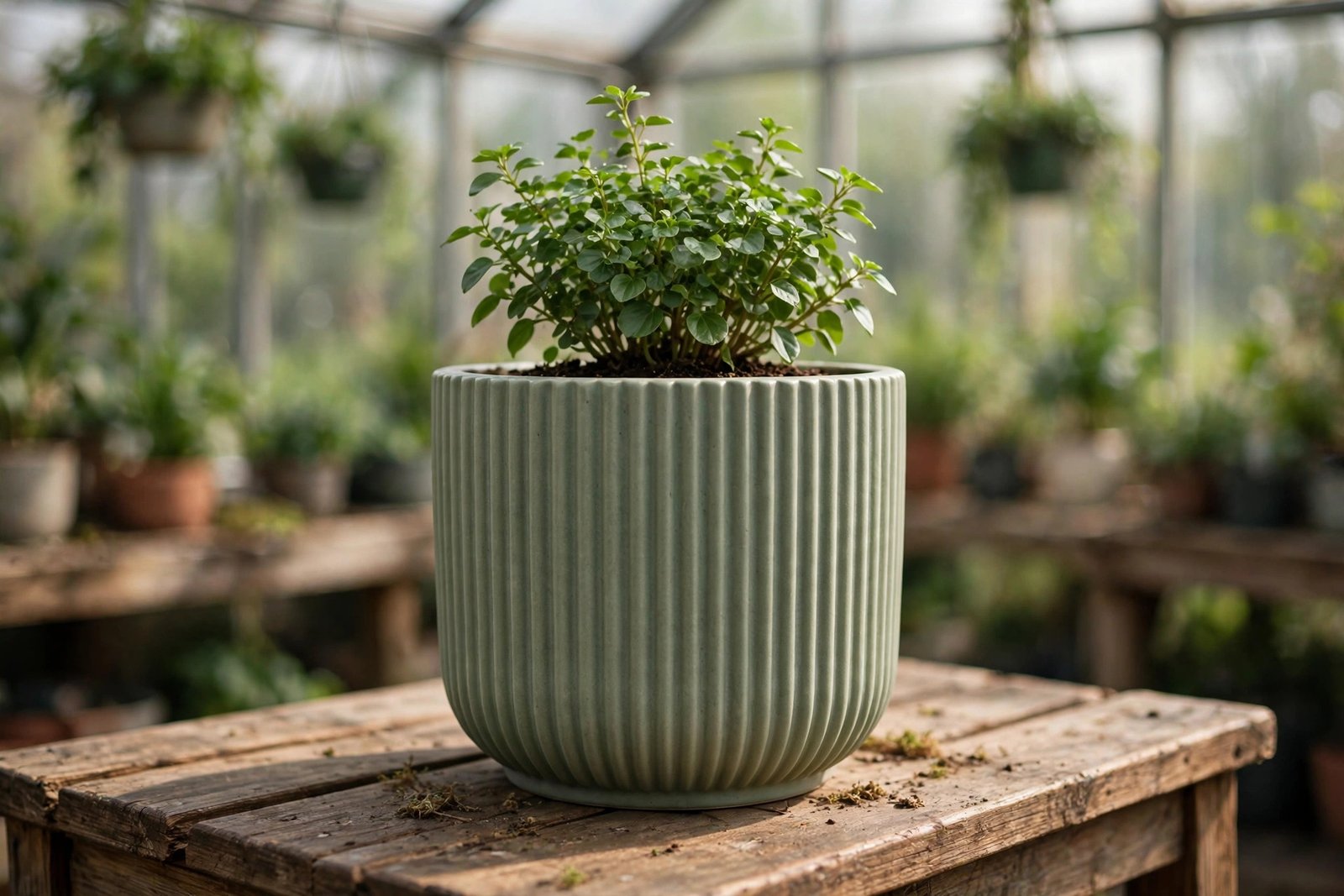
Vietnam has quietly become one of the smartest places in the world to source ceramic planters. Villages like Bat Trang outside Hanoi have thrown pottery for 700 years, and today that craft tradition sits alongside export-grade factories that ship containers worldwide. For importers, the combination — artisanal capability, competitive cost, and (for US buyers) a friendlier tariff picture than China — is hard to beat.
But sourcing from Vietnam isn't as simple as sending a few Alibaba messages. Here's how experienced buyers actually do it.
1. Understand what Vietnam does best
Vietnamese ceramic factories excel at glazed stoneware, terracotta, and hand-finished planters — the textured, reactive-glaze looks dominating Western garden retail right now. What Vietnam generally doesn't do as cheaply as China: ultra-high-volume, machine-perfect uniformity at rock-bottom unit cost. If your program needs artisanal character and mid-to-large volumes, Vietnam is often the better origin. If you need 200,000 identical glossy pots, China may still win. (We break this down fully in our Vietnam vs. China sourcing comparison.)
2. Find real manufacturers, not middlemen
Most "Vietnamese suppliers" you'll meet on B2B marketplaces are trading companies marking up factory output by 15–30%. To find actual factories:
- Ask for the factory, not the catalog. Real manufacturers will share factory photos, kiln capacity, and export history. Traders deflect.
- Check the ceramics clusters. Bat Trang (Hanoi), Dong Nai, and Binh Duong provinces concentrate the industry. A supplier far from any cluster deserves scrutiny.
- Request references from Western buyers. Established exporters serve US, EU, and Australian importers and can name them.
- Work through a managed partner. This is the model we run at Planter Happiness — one accountable partner managing vetted Vietnamese factories, so you skip the discovery gamble entirely.
3. Vet before you commit
Before a single container is discussed, serious buyers verify four things:
- Samples first, always. Never approve production from photos. Physical samples reveal glaze consistency, weight, drainage, and finish quality that images hide.
- Capacity vs. your volume. Ask how many containers per month the factory actually ships. A workshop making 2 containers a month can't absorb your 20-container spring program.
- Export experience. Have they shipped to your market? Export packing for a 40-day ocean voyage is a skill — domestic-market factories often under-pack.
- QC process. Who inspects, when, and against what standard? "We check everything" is not an answer. Staged inspections — during production and pre-shipment, against your approved sample — are the minimum.
4. Understand MOQs and container math
Vietnamese factories typically work in full-container quantities for custom designs — the economics of kiln firing and mold-making demand it. Stock or semi-custom ranges can sometimes ship as mixed containers. As a rule of thumb, plan your assortment around filling containers efficiently: a 40ft container of mid-size ceramic planters runs roughly 3,000–6,000 pieces depending on size and packing. We cover this in detail in our MOQ guide for custom ceramic planters.
5. Nail down logistics early
Most Vietnam ceramic exports leave from Haiphong (north) or Cat Lai/Ho Chi Minh City (south). Decide FOB vs. CIF before quoting — FOB gives you freight control; CIF bundles it with the supplier. Either way, confirm:
- Export packing spec (double-wall cartons, palletization, container loading plan)
- Lead time from sample approval to vessel departure (typically 6–10 weeks)
- Documentation: commercial invoice, packing list, bill of lading, certificate of origin
6. Avoid the classic mistakes
- Approving from photos. The #1 cause of "this isn't what I ordered" disputes.
- Skipping pre-shipment inspection. Once the container seals, your leverage is gone.
- Chasing the lowest quote. In Vietnamese ceramics, the cheapest factory is usually the one with no QC department.
- Ignoring the calendar. Tet (Lunar New Year) shuts factories for 2+ weeks — plan spring assortments around it.
The shortcut
Everything above is what we do as a matter of routine: vetted factory partners in Vietnam (and China), Arizona-based design and communication, staged QC, and full-container logistics to your port. If you'd rather skip the two-year learning curve, tell us about your program — we'll tell you honestly what Vietnam can build for you.