
Sourcing comparison
Vietnam vs. China: where should you source ceramic planters?
October 2026 · 7 min read
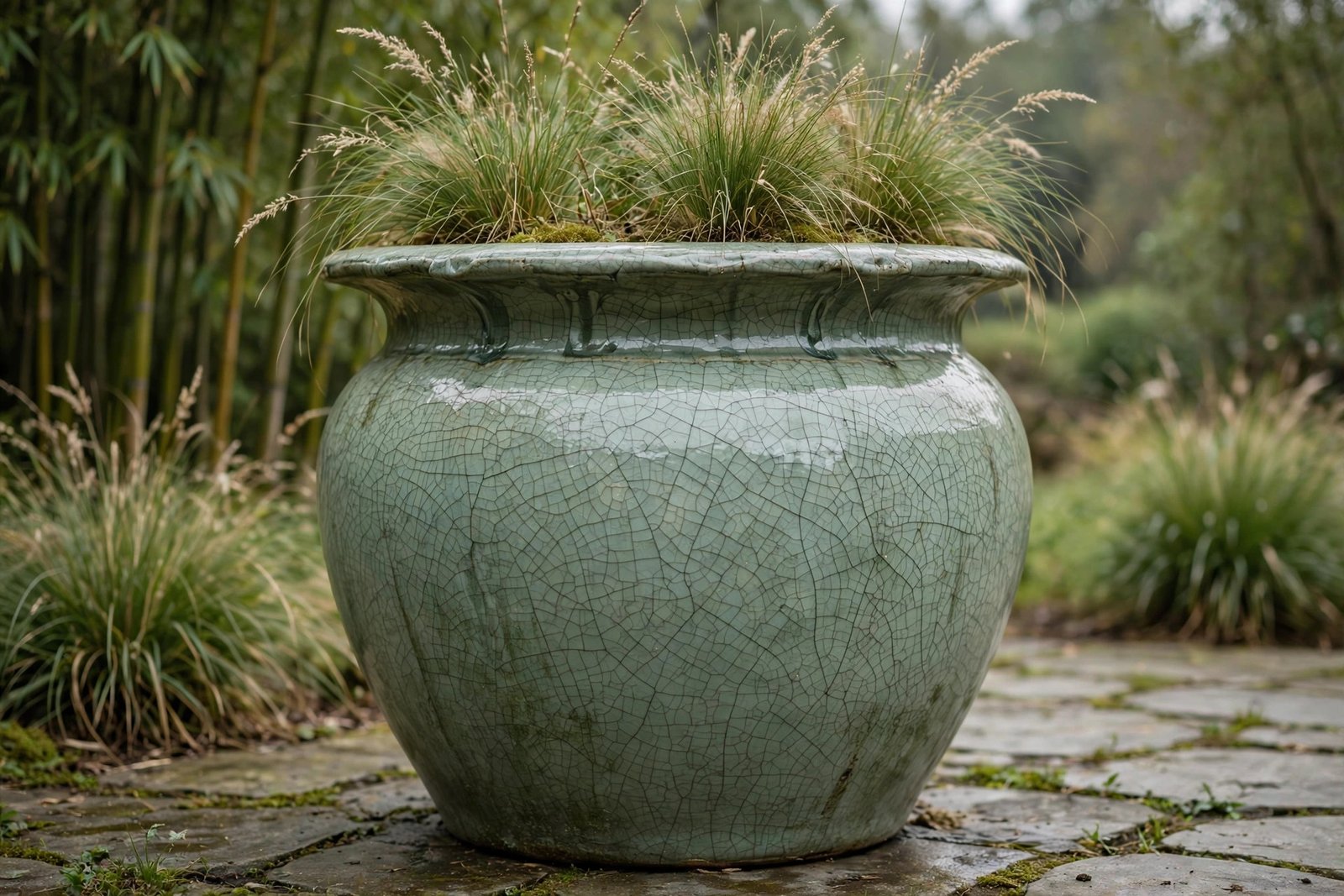
Every importer sourcing ceramic planters eventually faces the same question: Vietnam or China? We run production in both countries, so we have no reason to sell you a one-sided answer. Here's how the two origins actually compare across the factors that decide landed cost and product quality.
Unit cost
China wins on pure unit cost for high-volume, standardized production. Decades of scale, deep supplier ecosystems, and ruthless competition keep Chinese factory-gate prices the lowest in the world for commodity ceramics. Vietnam is competitive — often within 5–15% — and the gap narrows or reverses once you factor in tariffs (below). For mid-volume programs with any design complexity, the difference is frequently negligible.
Tariffs (US importers, read this twice)
This is the single biggest reason sourcing has shifted. Section 301 tariffs add 25% on top of normal duty for most Chinese ceramics entering the US — a surcharge Vietnam doesn't carry. A Chinese planter that's 10% cheaper at the factory gate can easily land 15% more expensive than its Vietnamese equivalent. If you import into the United States, run the landed-cost math with tariffs included before you compare any quote. For EU, UK, and Australian buyers the tariff gap is smaller, and the decision tilts more on product and volume.
Craftsmanship and finish
Vietnam's edge is character. Villages like Bat Trang have produced pottery for centuries, and Vietnamese factories are genuinely better at the hand-finished looks — reactive glazes, carved textures, artisanal variation — that dominate current Western garden retail. China's edge is precision: exact color matching across 50,000 units, complex molds, and flawless glossy finishes at scale. Match the origin to the aesthetic: organic and textured → Vietnam; crisp and uniform → China.
Scale and speed
China's supplier base is deeper — more factories, more material options, faster tooling. For very large programs (dozens of containers per season) or tight timelines, China still has the capacity advantage. Vietnam's export ceramics sector is smaller and growing fast, but peak-season capacity can tighten. Book Vietnamese production early for spring programs.
Communication and QC
Honestly? This depends on the factory, not the country. Both have excellent exporters and both have workshops that will ruin your quarter. The variable that actually matters is whether someone accountable manages the relationship — which is why our model puts design, communication, and QC under one roof in Arizona regardless of which country's kilns fire your product.
So which should you choose?
- Choose Vietnam when: you import to the US (tariffs), your designs lean artisanal/textured, your volumes are mid-range, or you want supply-chain diversification away from China.
- Choose China when: you need massive volume at the lowest unit cost, exact uniformity across huge runs, or specialized materials and finishes Vietnam doesn't offer yet.
- Choose both when: your assortment is broad enough to split — hero artisanal pieces from Vietnam, high-volume uniform lines from China. Many of our importer partners run exactly this split.
The bottom line
There is no universally "better" origin — only the better origin for your product, your volume, and your market's tariff regime. The importers who get this right treat origin as a product decision, not a loyalty decision.
We manufacture in both countries and we'll tell you straight which one fits your brief — even if the answer is "not us, try a China-only agent." Send us your program and we'll give you an honest read.
New to Vietnam sourcing entirely? Start with our step-by-step guide to sourcing ceramic planters from Vietnam.